


Coca-Cola is arguably the most recognizable brand on Earth. Its products are available in nearly every country, and the company remains one of the most consistently profitable corporations in history. But how did a simple syrup, originally marketed as a health tonic, achieve this level of dominance? The story of Coca-Cola is a fascinating blend of shrewd business decisions, accidental branding, and a little bit of controversy.
The Origins: A Pharmacist’s Addiction
The story begins in 1886 Atlanta, Georgia, with Dr. John Pemberton, a Civil War veteran struggling with morphine addiction. Seeking a substitute, he concocted a beverage combining coca leaves (containing small amounts of cocaine), kola nut (a caffeine source), and wine. This first iteration, “Pemberton’s French Wine Coca,” was sold as a nerve tonic, marketed to those seeking relief from fatigue or addiction.
The key to understanding its early success lies in the era: people readily consumed substances containing cocaine and morphine as remedies. Coca-Cola wasn’t just a drink; it was positioned as medicine. When Atlanta banned alcohol, Pemberton adapted, removing the wine and creating the non-alcoholic “Coca-Cola” in 1886, aligning with the growing Temperance Movement.
The Early Battles for Control
Initial sales were modest, but the drink gained traction in pharmacies, where carbonated water was considered healthful. Pemberton aggressively marketed Coca-Cola as a cure-all: nerve disorders, morphine addiction, indigestion, headaches, even erectile dysfunction. The drink’s popularity grew, but so did the complications of ownership.
By 1888, three companies were selling different versions of Coca-Cola under verbal agreements with Pemberton. Asa Candler, a savvy businessman, acquired a stake in the formula but couldn’t legally use the Coca-Cola name. He sold his version as “Yum Yum” or “Koke.” This power struggle intensified after Pemberton’s death, with Candler relentlessly pursuing full control.
The Shady Acquisition: Forged Signatures and Corporate Consolidation
Candler exploited the vulnerabilities of Pemberton’s son, Charley, an alcoholic and opium addict, to buy the Coca-Cola name and formula for just $2,300 in 1889. The deal was deeply suspect: decades later, evidence surfaced suggesting both Pemberton’s and his son’s signatures on the sale were forged.
Candler consolidated control, formally incorporating The Coca-Cola Company in 1892. This marked a shift from a loosely managed syrup to a centralized corporation with a protected trademark, standardized production, and aggressive brand building. Conveniently, the company destroyed its early records in 1910, obscuring the details of its origins.
The Recipe and the Secret Vault
The original Coca-Cola formula contained roughly 9mg of cocaine per glass, derived from coca leaves. Candler reduced this amount but didn’t eliminate it entirely until 1903, switching to spent leaves (those already processed for cocaine extraction). Today, the company is authorized by the U.S. government to import coca leaves for legal cocaine extraction, which is then sold to a single pharmaceutical company for medical research.
The exact recipe remains a closely guarded trade secret. Few employees have access, contributing to the brand’s mystique. In 2006, a secretary attempted to steal the formula and sell it to Pepsi for $1.5 million, but Pepsi alerted the FBI, leading to the thief’s arrest.
The New Coke Debacle and Brand Resilience
Coca-Cola has made missteps. The infamous “New Coke” of 1985, introduced after taste tests favored the new formula, triggered a public backlash so intense that the company reintroduced the original as “Coca-Cola Classic.” This blunder cemented the original formula’s cultural significance.
From Fountain Drink to Global Empire
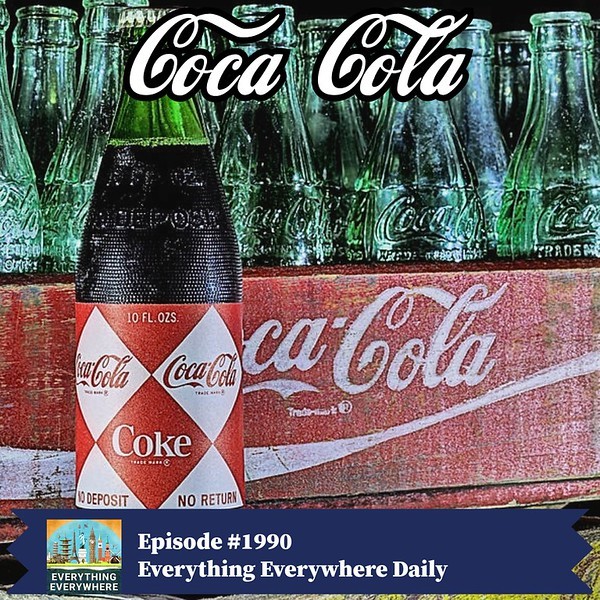
Coca-Cola’s success also relies on its packaging. Initially sold as a fountain drink, Candler secured exclusive bottling rights for just $1. The early bottles were easily copied, so the company launched a design competition, resulting in the iconic contoured “perfect liquid wrapper” shape, inspired by the coca bean.
The logo, designed in 1885 by Pemberton’s bookkeeper, Frank Robinson, has remained largely unchanged, reinforcing brand recognition. The choice of red evokes warmth, energy, and urgency, making the logo instantly memorable. The association with Santa Claus, reinforced by Coca-Cola’s 1930s advertising, further cemented its cultural dominance.
Today, Coca-Cola operates in nearly every nation except North Korea, Cuba, and Russia. Its global reach was solidified during World War II by promising American servicemen a Coke for 5 cents anywhere in the world, establishing bottling plants that later served civilian markets.
Coca-Cola’s story is one of relentless expansion, shrewd marketing, and a willingness to adapt—even when those adaptations fail spectacularly. It’s a testament to how a simple syrup, born from addiction and ambition, conquered the world.


