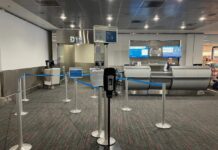
Travelers across the U.S. are facing escalating disruptions at airports as the ongoing partial government shutdown strains the Transportation Security Administration (TSA) to its breaking point. Security lines are now stretching outside terminals at major hubs, with wait times soaring as unpaid TSA officers struggle with financial hardship and increasing absenteeism.
The Unpaid TSA: A System Under Strain
The crisis stems from a five-week impasse in Congress over funding for the Department of Homeland Security, which oversees the TSA. Roughly 50,000 TSA officers have been working without pay since February 14th, a situation that has already led to over 300 resignations and a reported 10% no-show rate on Sunday alone. The lack of paychecks is pushing employees to seek second jobs or risk eviction, as demonstrated by union members forced out of their homes.
“Our officers are coming to work, but there’s going to be a breaking point sooner or later,” says Christine Vitel, a TSA officer at Chicago O’Hare and union representative.
This isn’t the first time federal employees have faced shutdown-related hardship, but this time, the public awareness seems muted, leaving many without the extensions or financial assistance they received during previous disruptions.
From Small Airports to Major Hubs: Disruptions Spread
Initially, the slowdown impacted smaller airports, but the problem has rapidly escalated. Major hubs are now experiencing significant delays, with travelers facing missed flights and chaotic conditions. The Department of Homeland Security has yet to comment on the situation.
The longer this shutdown continues, the more severe the impact will be on air travel and national security. The TSA’s ability to maintain effective screening standards is compromised when officers are financially insecure and morale is plummeting.
The crisis highlights the vulnerability of essential government functions to political gridlock. Without immediate resolution, the situation will likely worsen, potentially leading to even more severe disruptions and a further erosion of public trust in government operations.