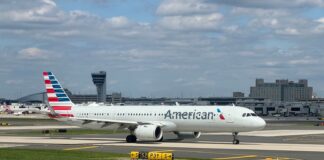
A United Airlines Boeing 737 narrowly avoided a more serious incident at Chicago O’Hare International Airport (ORD) on March 19, 2026, when pilots initiated a takeoff roll from the edge of the runway instead of the centerline. The flight, UA1394 bound for San Antonio (SAT), rejected takeoff at approximately 60 knots, but remarkably, the aircraft resumed its flight minutes later without any documented inspection of either the plane or the runway.
The Incident Unfolds
The incident occurred shortly after 8 PM local time. The Boeing 737-700, registered N15712, began its takeoff run from taxiway DD, positioned approximately 3,000 feet down runway 10L. Instead of aligning with the runway’s central axis, the pilots aligned with the edge lights on the left side. This misalignment was recognized, leading to a rejected takeoff around 5,300 feet down the runway.
Despite the deviation, the crew proceeded directly back to the runway and initiated another takeoff attempt within minutes. The flight landed in San Antonio two hours and fifteen minutes later without further reported issues.
FAA Report and Concerns
The Federal Aviation Administration (FAA) confirmed that the aircraft struck runway and taxiway lights during the initial runway entry. This incident raises several critical questions, particularly regarding the decision to resume flight without a thorough inspection.
Runway debris, even from minor contact with lights, can pose a significant hazard. The Concorde crash in 2000 serves as a stark reminder of the consequences of foreign object damage (FOD) on the runway. Ignoring this risk is not only unusual but potentially dangerous.
Why This Matters
The standard operating procedure following an aborted takeoff, especially one involving contact with runway infrastructure, would typically include a full inspection of the landing gear, tires, and the runway itself. The absence of such a check suggests either a misjudgment of the severity of the situation or a disregard for standard safety protocols.
The pilots’ decision to proceed without inspection is especially concerning from a psychological perspective. A near-miss like this would likely induce stress, and a brief pause for assessment would be prudent. Instead, operations continued as if nothing had occurred. The Aviation Herald has a visualization of the event, along with audio from air traffic control, which may offer additional insight into the crew’s decision-making process.
Conclusion
The United 737 incident at O’Hare highlights the potential for errors in even routine operations. The decision to proceed with a second takeoff attempt immediately after an aborted roll, without any inspection, is highly irregular and raises serious questions about safety oversight. While the flight ultimately reached its destination without incident, the disregard for standard procedures sets a troubling precedent that warrants further scrutiny.