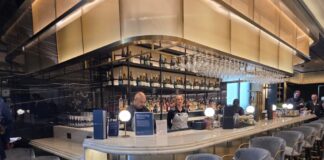
The flexible office market is undergoing a quiet shift, moving beyond the traditional real estate-focused model toward one that prioritizes member experience. The Malin, a co-working membership club founded in 2021, exemplifies this change, illustrating how a hospitality approach can build loyalty and drive growth in a competitive landscape.
Beyond Square Footage: The Power of Personalized Service
A key differentiator for The Malin isn’t its physical spaces, but the level of service provided to members. One telling example: when a member lost luggage tags for her expensive Rimowa suitcase, staff promptly ordered custom-made replacements as a small gift. This gesture, though inexpensive, created a lasting impression, sparking positive word-of-mouth and referrals.
This anecdote is emblematic of a broader trend: successful flexible workspaces are no longer defined solely by location or amenities. Instead, they are winning over customers by delivering personalized service and anticipating needs in ways that traditional office spaces often fail to do. The Malin’s founder, Ciarán McGuigan, intentionally positions the company as a workspace for its members, rather than just a real estate provider.
The Rise of Experience-Centric Workspaces
The shift toward hospitality-driven co-working is particularly notable in light of the recent troubles of WeWork, whose collapse exposed the flaws in a growth-at-all-costs real estate model. While WeWork focused on rapid expansion and aggressive leasing, The Malin has chosen a more deliberate, member-focused strategy. This approach may not scale as quickly, but it fosters stronger loyalty and organic growth.
The implications are clear: the next phase of flexible work will reward companies that prioritize creating a welcoming, supportive environment over maximizing square footage. By treating members like guests rather than tenants, The Malin is signaling a potential blueprint for the future of work.
The success of this model hinges on the recognition that modern workers are seeking more than just a desk; they want a sense of belonging, personalized attention, and a workspace that feels like an extension of their own hospitality standards.