


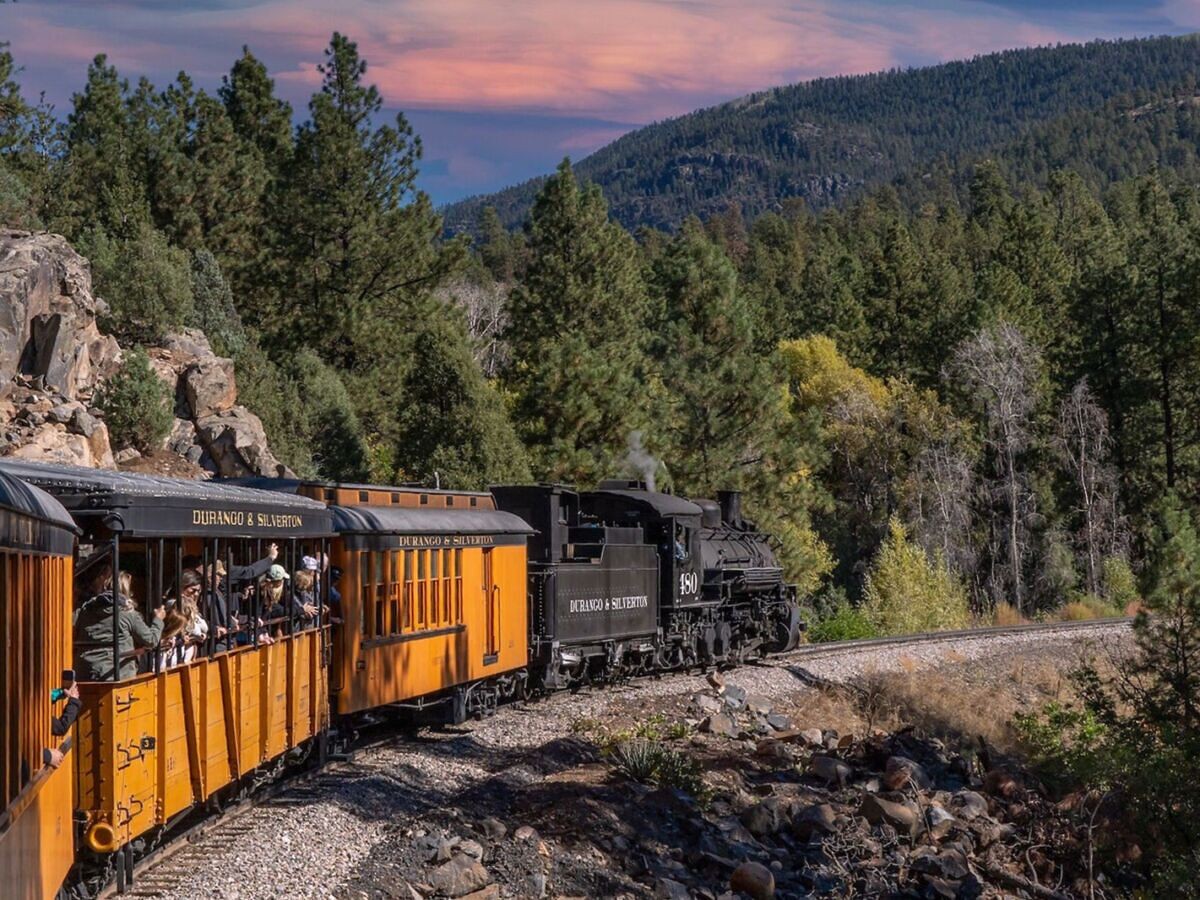
For adventurers seeking truly remote trails, an overlooked method exists: utilizing historic flag-stop train services. While modern travel favors roads and cars, a handful of railways still honor a 19th-century practice that allows passengers to board and disembark at designated backcountry locations. This offers a unique way to reach wilderness areas inaccessible by vehicle, blending convenience with a genuine off-the-grid experience.
The Legacy of Flag Stops
Flag stops originated as essential transportation points in rural America, where trains provided the only reliable access to isolated communities. Today, these services are rare due to infrastructure changes, but persist in places like Alaska (Alaska Railroad’s Hurricane Turn), Canada (VIA Rail), and, surprisingly, Colorado (Durango & Silverton Narrow Gauge Railroad, or D&SNGRR). The idea is simple: trains will stop at pre-defined locations upon request.
This isn’t a modern convenience; it’s a throwback to a time when rail was the primary way to move people and goods through undeveloped regions. The D&SNGRR in Colorado, operating for 144 years, is one such example, serving hikers, climbers, and other outdoor enthusiasts seeking access to the Weminuche Wilderness and San Juan National Forest.
How to Use Flag Stops for Hiking
Accessing these routes requires planning. Unlike booking modern train travel, flag stops often demand a phone call to reservations (1-888-872-4607 for D&SNGRR in Colorado). This ensures the railway is aware of your plans, controls backcountry traffic, and can initiate safety checks if you don’t return as scheduled.
Some services, like in Alaska, rely on a more primitive system: waving a white flag to signal the train. VIA Rail in Canada requires advance arrangements. In Colorado, the trick is a specific hand signal—a “criss cross” motion in front of your knees, resembling a 1920s dance move. Failure to execute this properly may result in the train passing by without stopping.
Tickets are typically purchased on board, often in cash only ($35 per person on D&SNGRR). Extra fees may apply for bulky gear (fishing poles, climbing equipment) stored in a separate cargo area. Pets are not allowed.
Safety and Logistics
Before relying on this method, prioritize wilderness preparedness. Inform someone of your route and expected return time, and carry a satellite beacon or emergency communication device. Cell service is unreliable in these areas.
Backcountry stops in Colorado include Needleton (for hikers tackling three 14ers) and Elk Park, the only southbound option. Groups are limited to 15 people, and oversized gear is stored separately.
Travel journalist Abigail Bliss recently tested the D&SNGRR flag stop service. After hiking into the Weminuche Wilderness, she boarded the train at Elk Park, describing the experience as “practical…the only way to get to those trailheads.” She emphasized the need for strong navigation skills and awareness of potential risks.
“You’re not going to be able to follow a crowd…stay on your trail. If you’re not prepared, it could turn into a bad situation.”
Bliss’s experience highlights the unique appeal of flag-stop travel: a blend of adventure, practicality, and an immersive connection to a bygone era of wilderness exploration.
This method offers a viable way to access remote trails with the convenience of a return ride. But proper planning, respect for the environment, and safety preparedness are critical.


