A collection of recent developments in the travel industry highlights a growing friction between service standards, technological shifts, and the logistical realities of modern aviation.
Cultural Missteps in Hospitality
In a bizarre instance of localized marketing gone wrong, a Chinese traveler staying at a pet-friendly hotel received a promotional text message recommending local dog meat restaurants.
The message, which also advertised regional activities like rafting and mountain excursions, claimed that dog meat could “nourish the blood, strengthen the stomach and intestines and replenish vitality.” While such dietary recommendations may be rooted in traditional medicinal beliefs in certain regions, the delivery via a pet-friendly establishment creates a profound cultural and ethical disconnect for many international travelers.
The Premium Paradox: Lounge Congestion
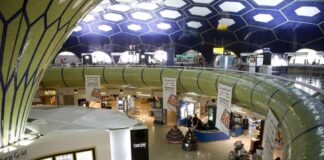
The promise of “premium” travel is increasingly being tested by extreme overcrowding. At the Centurion Studio in Fort Lauderdale, reports indicate waitlists reaching as high as 197 people.
This phenomenon raises critical questions about the value proposition of high-end credit cards, such as those issued by American Express. As cardmember numbers grow, the ability of issuers to provide exclusive, quiet, and accessible lounge spaces diminishes. If “premium” services result in massive queues, the brand prestige associated with these memberships faces a significant risk of dilution.
Innovation vs. Inauthenticity in Aviation
The aviation industry is currently navigating a tension between technological progress and the human experience:
- Holographic Politicians: New trends show politicians debuting holographic appearances at airports. While some view this as a leap in digital innovation, critics argue it represents the height of inauthenticity, further distancing leaders from the public.
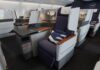
- Cabin Aesthetics: On a more practical note, American Airlines is seeing a shift in interior design. While the densification of aircraft (fitting more passengers into smaller spaces) remains a point of contention, the new aesthetic designs for Airbus A319 interiors represent a significant upgrade over the “seats are seats” philosophy that dominated the last decade.
Operational Growing Pains
The reliability of air travel continues to be a subject of debate, often highlighted by the logistical chaos of major hubs. Whether it is the satirical take on the “inevitability” of connecting through Atlanta or the literal swarming of aircraft by ground crews and passengers, the industry struggles to maintain seamless transitions.
Furthermore, questions remain regarding airline marketing versus reality. As service quality fluctuates, travelers are increasingly skeptical of whether airline branding can survive a perceived decline in operational excellence and customer care.
Conclusion
From cultural blunders in hotel messaging to the overcrowding of luxury lounges, the travel industry is facing a crisis of consistency. As airlines and hotels scale their services, they risk losing the very “premium” and “welcoming” qualities that define them.