United Airlines is preparing to launch its new Airbus A321XLR fleet in the coming weeks, marking a shift in how the airline approaches long-haul, thinner routes. The aircraft, designed for efficiency and range, will primarily serve transatlantic and Latin American destinations, replacing older Boeing 757-200s and opening up new market possibilities. The A321XLR isn’t just an upgrade; it’s about making previously unprofitable routes viable.
Route Expansion and Fuel Efficiency
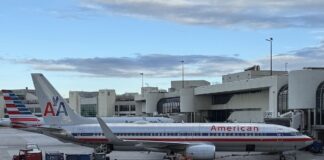
The A321XLR will allow United to fly “long and thin” routes—such as Newark to Bogota or Edinburgh—that were previously impractical. The aircraft’s improved fuel efficiency compared to the 757 makes these routes economically feasible. The airline is also introducing premium A321neos with similar interiors, which will be deployed on high-demand transcontinental routes in a slightly denser configuration. American Airlines has already taken delivery of the A321XLR, but is using them differently—deploying them across both international and premium transcontinental routes.
Cabin Layout: 150 Seats with a Snack Bar
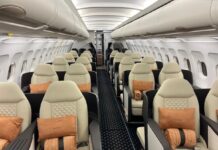
The A321XLR will accommodate 150 passengers in three cabins: 20 Polaris (business class), 12 Premium Plus (premium economy), 36 Economy Plus (extra legroom), and 82 economy seats. A key feature is the inclusion of a snack bar in the economy section, adding a convenience factor for longer flights. However, lavatory access will be limited, with only one front lavatory shared by business class passengers and pilots, and three in the rear for premium and economy classes.
Polaris Business Class: A Compromise on Comfort
United’s new Polaris business class on the A321XLR features herringbone seating, which prioritizes space efficiency over traditional window-facing layouts. While the seats will include privacy doors and convert into beds 75-78 inches long, they face the aisle at a 49-degree angle and offer only 28 inches of pitch, making for a denser business class configuration. This design is a trade-off: it’s functional but doesn’t deliver the premium experience found on wider aircraft.
Premium Plus and Economy: A Step Up
The Premium Plus cabin will feature a 2-2 layout, comparable to domestic first class on American carriers. The snack bar in the economy section will be a welcome addition, though the standard 3-3 seating configuration remains. Overall, the A321XLR offers an improved experience over the older 757s, but it doesn’t replicate the comfort of wide-body aircraft.
The A321XLR represents a significant expansion of narrow-body long-haul flying. While it won’t match the luxury of a wide-body experience, it will make more routes viable for United Airlines. The plane is set to deliver a more efficient and expanded service for passengers.