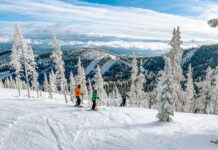
The ski resorts of the French Alps are facing a growing crisis: a surge in short-term rentals through platforms like Airbnb is leaving many apartments vacant for most of the year, while simultaneously pushing locals out of the long-term housing market. This phenomenon, known locally as lits froids (“cold beds”), is reshaping these once-vibrant communities.
The Rise of Empty Homes
According to Éric Adamkiewicz, a regional development lecturer at the University of Toulouse, half of all available lodging in Alpine ski towns now operates on a short-term rental basis. These properties sit empty for extended periods outside peak seasons – like Christmas and New Year’s – when occupancy rates briefly spike to around 90 percent. The rest of the year, they remain unoccupied, creating a stark contrast between seasonal tourism and year-round livability.
Impact on Locals
The consequences are particularly harsh for residents like Jessica Brazeau, 34, of Areches. She and her husband have struggled to secure stable housing, forced to move from place to place as landlords favor lucrative short-term rentals over long-term tenants. The lack of consistent housing availability forces locals into fragmented living situations, rather than providing the stability of a permanent home.
Why This Matters
This trend isn’t simply about Airbnb; it’s a symptom of broader issues. Climate change is making ski seasons shorter and less reliable, pushing investors to maximize profits during limited peak periods. The result is a housing market driven by tourism rather than by the needs of the people who live there year-round. This situation raises questions about the sustainability of Alpine communities, as well as the future of tourism in regions increasingly vulnerable to environmental shifts.
The crisis underscores a wider issue: the commodification of housing in tourist destinations, where short-term rental profits often outweigh the needs of local residents. Unless addressed, this trend could lead to the hollowing out of Alpine towns, turning them into ghost resorts that exist only for fleeting seasonal visitors.