


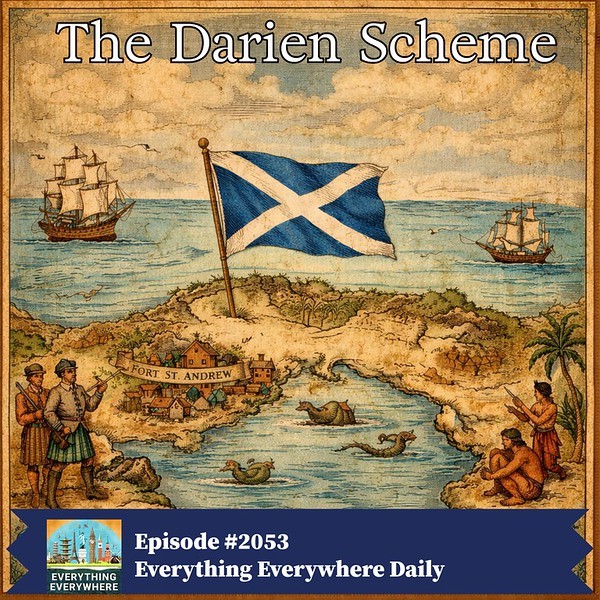
In the 17th century, European powers aggressively expanded their empires through colonization. Scotland, eager to join this race for global dominance, launched an ambitious and ultimately catastrophic venture known as the Darien Scheme. This attempt to establish a colony in Panama was driven by economic desperation, national pride, and a miscalculation of the harsh realities of colonial expansion.
The Economic Context: Mercantilism and Scottish Vulnerability
The era was defined by mercantilism, a belief that national wealth depended on accumulating resources through colonies and maintaining a favorable trade balance. Scotland, economically weaker than its neighbor England, faced severe constraints. The English Navigation Acts restricted Scottish merchants from fully participating in the lucrative colonial trade networks, deepening the nation’s economic woes. Periodic famines and limited capital further exacerbated these problems, creating a desperate need for a bold solution.
The Darien Plan: A Vision of Control
In 1698, Scottish banker William Paterson proposed a daring plan: establish a colony in the Darien Gap, the narrow isthmus of Panama. This location, if controlled, could dominate trade between the Atlantic and Pacific Oceans, allowing Scotland to tax and regulate the flow of goods – effectively becoming a major power. Paterson, with prior experience co-founding the Bank of England, believed this venture could rival the Dutch and British East India Companies.
The Funding and Initial Optimism
The Scottish Parliament authorized the scheme, and the public overwhelmingly supported it. Remarkably, nearly half of Scotland’s liquid wealth – an estimated £500,000 – was raised through national contributions. This level of national unity and sacrifice was unprecedented. In July 1698, five ships carrying thousands of hopeful settlers set sail for Panama.
Reality Strikes: A Hostile Environment
The Darien Gap proved to be far more challenging than anticipated. The region’s dense rainforest, relentless rainfall (averaging over 300 inches annually), and steep terrain made settlement nearly impossible. The Scots also underestimated the fierce resistance of the indigenous Kuna and Embera-Wounan tribes, who had long defended their territory.
Disaster Unfolds: Disease, Warfare, and Collapse
Spanish authorities, wary of Scottish encroachment, actively undermined the colony. English colonies refused to provide supplies. The settlers, lacking immunity to tropical diseases like malaria and yellow fever, suffered catastrophic losses. Within months, over one-third of the original colonists perished. A second wave of arrivals in 1699 found Fort Andrew in ruins, facing starvation, disease, and Spanish hostility.
The fort surrendered in March 1700, but few survivors made it back to Scotland. The venture’s failure bankrupted the nation, leaving it on the brink of collapse.
The Aftermath: Union with England
The Darien Scheme fueled resentment towards England, as Scots accused King William III of prioritizing English interests. The disaster led to the Act of Security, threatening to split the monarchy. However, the English Parliament responded with the Alien Act of 1705, threatening economic isolation if Scotland did not accept the Hanoverian succession or agree to political union.
Scotland, facing economic ruin, had no choice. The Act of Union in 1707 merged England and Scotland into the United Kingdom, with £398,085 allocated to repay debts from the failed Darien Scheme.
The Darien Scheme stands as a stark reminder that even the most ambitious colonial ventures can fail when confronted with harsh realities. The disaster ultimately paved the way for a unified United Kingdom, a legacy born from the ruins of Scotland’s failed empire.


