The travel sector is undergoing significant shifts, shaped by consumer preferences, economic pressures, and operational challenges. Recent developments highlight a surge in all-inclusive travel, aggressive advertising strategies targeting travelers, and the real-world consequences of political disruptions. Here’s a breakdown of key trends.
The Rise of All-Inclusive Travel
Demand for all-inclusive vacations is increasing rapidly, driven by travelers seeking maximum value and personalized experiences. This isn’t just a temporary surge; new data confirms it’s a sustained trend. The appeal lies in the simplicity and cost-certainty of bundled deals, especially in an era where inflation and economic uncertainty make budgeting harder. Travelers want to optimize their spending, and all-inclusive packages deliver that by combining accommodation, meals, activities, and sometimes even flights into a single price.
This shift has major implications for the industry. Hotels and resorts are adapting by expanding their all-inclusive offerings, while tour operators are refining packages to cater to niche interests like adventure travel or wellness retreats. The trend suggests a growing preference for hassle-free travel experiences.
Advertising Strategies: Capitalizing on Traveler Impulsivity
Airlines and hotel chains are actively monetizing traveler behavior through targeted advertising. United Airlines and Marriott are aggressively pitching ad networks to companies, leveraging research from the Boston Consulting Group (BCG) that shows travelers are particularly susceptible to impulse spending while in transit or at hotels.
This means more in-flight ads, hotel screen promotions, and location-based offers designed to capture attention when travelers are most likely to make spontaneous purchases. The strategy is effective because travelers are often relaxed, receptive, and have disposable income at their disposal. It also raises ethical questions about how aggressively companies will push promotions on captive audiences.
Airport Disruptions: The Cost of Government Shutdowns
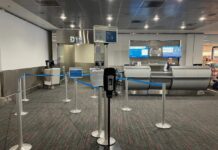
The partial U.S. government shutdown in 2025 had immediate consequences for air travel. Unpaid TSA agents caused long lines and delays at airports, as employees missed their first full paycheck. This is a stark reminder of how political instability can directly impact essential services.
The disruptions weren’t just inconvenient; they were financially damaging to airlines and airports, leading to missed connections, lost revenue, and frustrated passengers. The crisis underscored the vulnerability of the travel industry to government dysfunction.
UK Hotel Market: Recovery with Regional Disparities
The UK hotel market saw a rebound in 20