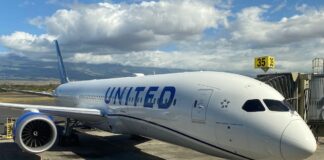
United Airlines is rolling out a new fare structure for its business and premium economy cabins, effectively bringing the “basic economy” model to high-end travel. The airline will now offer three fare tiers – Base, Standard, and Flexible – for Polaris (business class) and Premium Plus (premium economy) seats. This change means that even passengers paying upwards of $2,000 for a business-class ticket may now face additional fees for previously included perks like advance seat selection and standard baggage allowances.
The Shift to Tiered Pricing
The new system mirrors the tiered approach already common in economy class, where basic fares often exclude amenities like seat assignments or checked baggage. Under United’s Base fare, passengers will receive only one free checked bag (instead of the usual two) and will have to pay extra to choose their seats before check-in. Access to United’s exclusive Polaris lounges will also be restricted to those purchasing higher fare tiers; Base fare holders will only have access to standard United Club locations.
Critically, Base fares will be non-refundable and ineligible for changes or travel credits, making them the most restrictive option. The airline defends this move by stating it provides customers with more choice, allowing them to avoid paying for benefits they don’t need.
Expansion and Industry Context
The tiered fare structure will initially launch in “select markets” this month, before expanding to long-haul international and transcontinental routes throughout 2026. The rollout will eventually encompass all United planes equipped with a Polaris business-class cabin.
This move isn’t unique to United. Several international carriers, including British Airways, Air France, and Lufthansa, have already implemented similar tiered systems. Delta Air Lines has also publicly considered adopting such a model. The trend suggests airlines are increasingly focused on maximizing revenue by unbundling services previously included in premium fares.
Broader Changes at United
This fare restructuring is part of a wider overhaul at United, which also includes adjustments to its MileagePlus loyalty program. Recent changes prioritize customers with co-branded credit cards while reducing earning levels for others. The airline is also upgrading its cabin interiors in an effort to compete more effectively with Delta in the premium market.
The introduction of tiered fares comes amid a broader effort by airlines to segment their offerings and extract more revenue from each passenger. While this strategy may alienate some travelers, the lack of strong backlash from previous implementations suggests airlines anticipate minimal resistance.
As Andrew Nocella, United’s chief commercial officer, stated, these new options “give customers more choice and make it easier to find a fare that includes the benefits they want most.”
The long-term impact of these changes on customer satisfaction and competitive dynamics remains to be seen. However, the momentum clearly favors airlines prioritizing revenue optimization over traditional premium travel perks.