


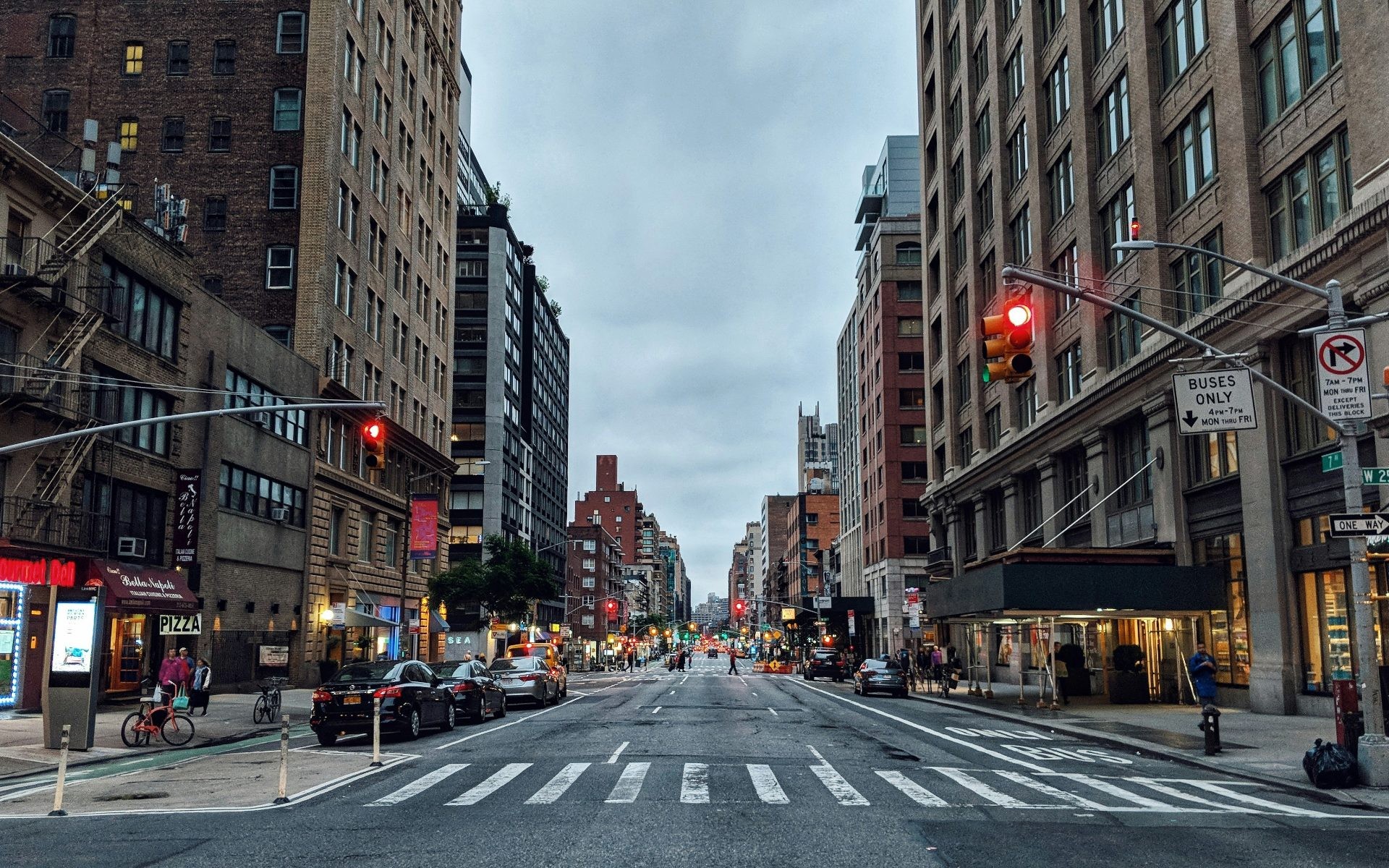
New York City’s congestion pricing system, implemented last year, is delivering measurable improvements to transit. For the first time in the US, drivers entering Manhattan’s busiest district are charged up to $9 per day, and the results are clear: traffic has decreased by 11%, with streets becoming safer for pedestrians and cyclists.
The Impact on Traffic and Transit Efficiency
The congestion charge isn’t just about reducing car volume. Bus speeds have increased by 2%, and travel times through tunnels and across bridges have improved by up to 29%. The Metropolitan Transit Authority (MTA) is also benefiting financially, with projected revenue exceeding $500 million in 2025 – a substantial contribution toward the agency’s $15 billion backlog of critical updates.
“The congestion toll revenue for 2025 is projected to be over half a billion dollars, making a decent dent on a USD$15 billion to-do list for crucial updates.”
The success in New York highlights a simple principle: reducing car dependency can improve the efficiency of an entire transit system. This isn’t merely about inconvenience for drivers; it’s about creating a more functional urban environment.
Why This Matters: A National Transit Crisis
The US lags behind global standards in public transit. While many developed nations prioritize accessible and reliable systems, the US remains heavily car-dependent. The Federal Transit Administration reports that only 8% of Americans rely on public transit, a stark contrast to cities like London or Medellín, Colombia, where robust systems are the norm.
This reliance isn’t just a matter of preference; it’s a systemic issue. Many American cities, including Boston, Chicago, Atlanta, and Los Angeles, struggle with severe congestion, making private vehicles the only practical option for many residents. The underfunding of public transit exacerbates this problem.
Lessons from Abroad
The author’s experience living in London illustrates this point. London offers a comprehensive public transit network that allows residents to travel easily without a car. In contrast, cities like Boulder, Colorado, and even Washington, D.C., provide limited or inefficient alternatives. The result is a vicious cycle where poor transit discourages ridership, further justifying underinvestment.
This disconnect highlights a broader issue: the US has not prioritized public transit as a core component of urban infrastructure. The lack of investment creates a situation where car ownership becomes a necessity, even in walkable cities like Providence, Rhode Island, where bus routes are slow and inconvenient.
The Path Forward: National Implementation
The success of New York’s congestion charge should serve as a case study for other cities. Implementing similar systems, coupled with significant investment in public transit, could transform urban mobility across the US. Seattle’s redesign of its bus network in 2010, which included express routes, resulted in a 42% increase in ridership by 2019.
The challenge isn’t just financial; it’s political. Overcoming resistance from car-dependent populations will require a shift in mindset. But as the author argues, every urban center in the US would benefit from taxing drivers to support its transit system. The alternative is continued congestion, underfunded infrastructure, and a growing reliance on private vehicles.
The current state of US transit is not just inconvenient; it’s unsustainable. If Europe can prioritize efficient public transport, there’s no logical reason why the US cannot.


