The travel industry is undergoing rapid change, marked by strategic acquisitions, a push for foundational AI integration, and growing labor concerns stemming from policy shifts. These trends highlight a critical moment for companies seeking sustainable growth in a volatile global landscape.
Prism Expands into Europe Ahead of IPO
Prism, a travel technology company, is aggressively expanding its hotel presence in Europe as it prepares for an initial public offering (IPO). This move signals confidence in the European market and suggests the company aims to establish a significant foothold before going public. The timing suggests Prism is positioning itself to capitalize on post-pandemic recovery and evolving travel demands.
AI Adoption Requires Foundational Overhaul, Not Just Add-Ons
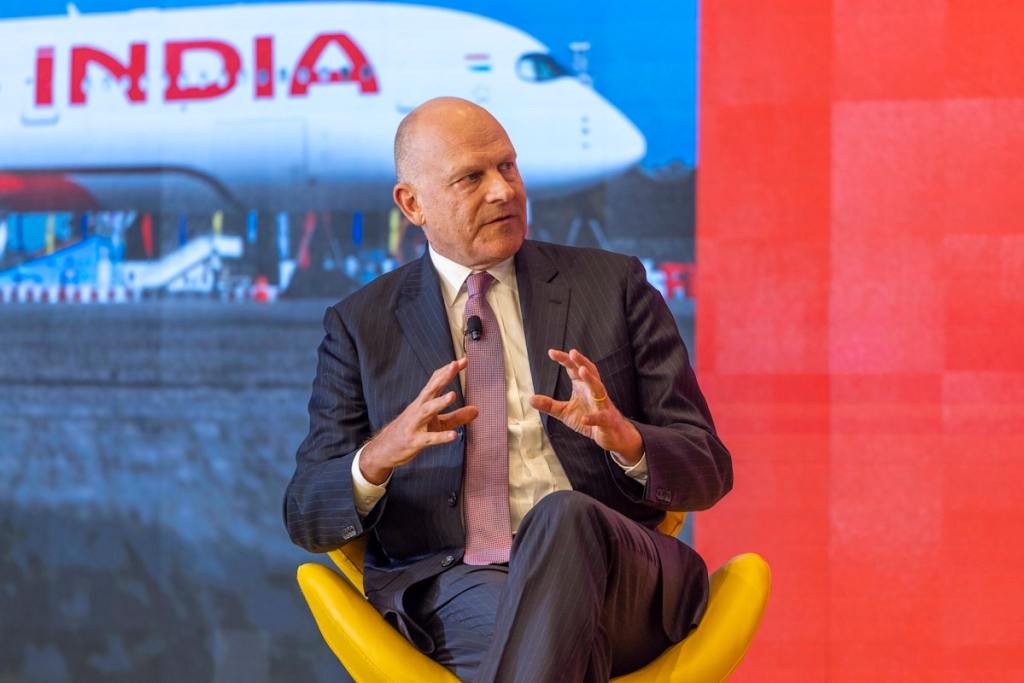
Travel brands are rushing to integrate artificial intelligence (AI), but true progress hinges on rebuilding core systems rather than simply layering AI onto outdated infrastructure. Airlines that prioritize an AI-first approach can achieve proactive operations, large-scale personalization, and improved customer experiences. This points to a broader industry trend where legacy tech is becoming a barrier to innovation, demanding fundamental re-engineering.
Ixigo’s European Acquisition: A Strategic Play
Indian travel company Ixigo has made its first major international acquisition, targeting the European rail market. Unlike many regions, Europe maintains a robust rail ecosystem, making it uniquely suited to Ixigo’s core expertise in high-volume, lower-margin train and bus travel. This strategic move suggests Ixigo is diversifying beyond its domestic focus and leveraging its strengths in a new, relevant market.
Vacasa Franchisee Unrest Following Ownership Changes
Governance shifts at Casago, following its acquisition by Vacasa, are reportedly fueling dissatisfaction among franchisees. In a franchise model, franchisee confidence and perceived stability are as crucial as financial restructuring. The unrest highlights the complexities of integrating businesses post-acquisition and the importance of maintaining trust within franchise networks.
U.S. Immigration Policies Impact Hotel Labor
The largest U.S. hotel union reports that recent immigration crackdowns are causing job losses within the industry. Stricter enforcement affects both workers and traveler flows, creating a double impact on hotels. This underscores the interconnectedness of labor, travel, and policy decisions, and suggests that hotels are acutely vulnerable to shifts in immigration laws.
Conclusion: The travel sector is in flux, with companies adjusting to AI demands, geopolitical pressures, and market restructuring. These shifts require strategic agility, foundational investments, and careful management of stakeholder