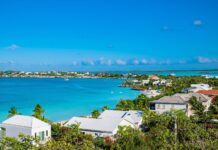
The latest rankings of the world’s best beaches for 2026 reveal a significant shift in travel preferences. Moving away from the traditional image of sprawling resorts and manicured shorelines, the top-rated destinations are increasingly defined by remoteness, natural drama, and unpredictability.
A clear trend is emerging: modern travelers are seeking “undiscovered” experiences. This is reflected in a list dominated by locations within national parks or areas accessible only by private boat or hiking. These destinations offer something a standard resort cannot: a sense of seclusion and a direct connection to raw, untouched nature.
The Highlights: Five Diverse Coastal Experiences
The following five locations from the “World’s 50 Best Beaches” list illustrate how much variety exists when you step off the beaten path.
1. Entalula Beach, Philippines (#1)
Located in the Palawan region, Entalula Beach offers a masterclass in seclusion. Unlike many popular spots in El Nido, this beach remains largely untouched by commercial development.
– The Landscape: Jagged limestone cliffs rise vertically from bright white sands and turquoise waters.
– The Challenge: Access requires a private boat from El Nido. Because it is not a standard stop on many commercial routes, visitors often find themselves with the beach almost entirely to themselves.
2. Nosy Iranja, Madagascar (#4)
Nosy Iranja offers a surreal, fleeting phenomenon caused by the tides. The destination consists of two separate islands connected by a long, narrow sandbar.
– The Experience: At low tide, the sandbar becomes a walkable bridge between the islands. However, this window of accessibility is temporary; as the tide rises, the path disappears under the ocean.
– The Vibe: Its remote location, requiring a boat trip from Nosy Be, preserves a sense of discovery and natural wonder.
3. Pink Beach, Indonesia (#22)
Situated within Komodo National Park, this beach is famous for its distinct blush-colored sand.
– The Science: The pink hue is a result of crushed red coral mixing with white sand, creating a color that shifts depending on the angle of the sunlight.
– Conservation Note: Because it is located in a protected national park, there is no local infrastructure. Visitors must arrive via boat from Labuan Bajo. Furthermore, due to increased regulations aimed at protecting endangered Komodo dragons, travelers should plan their visits well in advance.
4. The Baths, British Virgin Islands (#31)
At The Baths, the primary attraction isn’t the sand, but the geology. The shoreline is dominated by massive granite boulders that create a complex labyrinth of caves and grottos.
– The Adventure: This is an active destination rather than a place for lounging. Navigating the area involves climbing, exploring narrow passages, and moving through tidal pools.
– Access: Located on Virgin Gorda, it is easily reached by a short taxi ride or via organized tours from Tortola.
5. Boulders Beach, South Africa (#45)
Boulders Beach offers a unique biological experience: sharing the shoreline with a massive colony of African penguins.
– The Rules: This is not a traditional sunbathing destination. To protect the nesting penguins, visitors are encouraged to use raised boardwalks to observe the animals without disturbing their natural behavior.
– The Setting: The beach is characterized by large granite boulders that form protected coves, offering a striking contrast between the wildlife and the ocean landscape.
Summary: The premier beach destinations of 2026 prioritize ecological integrity and unique geological features over luxury amenities, signaling a global move toward adventure-based coastal tourism.