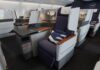
Air New Zealand is preparing to transform the long-haul economy experience by introducing Skynest, a dedicated sleeping area featuring bunk beds. After six years of development, the airline is moving from concept to reality, aiming to provide much-needed rest for passengers on ultra-long-haul routes.
The Concept: Sleeping Pods in the Sky
The Skynest consists of a specialized pod located in the center of the economy cabin, occupying a space where a galley and several seats would traditionally be positioned. The setup includes:
- Six bunk beds arranged three high on each side.
- A central ladder for access to the upper bunks.
- Time-based booking, allowing passengers to reserve a specific block of time for rest.
The bunks are designed to accommodate most travelers, measuring 6 feet 6 inches in length and approximately 25 inches in width at the shoulders. While the space tapers toward the feet, it is designed to allow most passengers to lie completely flat.
Logistics and Pricing
The service is specifically targeted at passengers enduring the grueling stretches of ultra-long-haul travel.
- Cost: A four-hour sleep block is priced at $495.
- Eligibility: Available to passengers aged 15 and older flying in either Economy or Premium Economy.
- Amenities: Each booking includes fresh linens, a pillow, a blanket, socks, and a “Nestcessities” kit containing an eye mask, earplugs, dental supplies, and skincare products.
- Connectivity: Each bunk is equipped with both USB-A and USB-C charging ports.
Implementation and Timeline
Air New Zealand will initially roll out the Skynest on two of its Boeing 787 Dreamliners. These aircraft will operate the high-demand, ultra-long-haul routes between New York (JFK) and Auckland (AKL).
The rollout follows a specific schedule:
1. May 18: Booking for Skynest sessions opens to the public.
2. November 2026: The first commercial flights featuring the Skynest are expected to take off.
Analysis: Innovation vs. Privacy
This move marks another chapter in Air New Zealand’s history of cabin innovation, following the success of their “Skycouch” concept. By introducing Skynest, the airline is addressing a major pain point in long-haul travel: the physical toll of sitting upright for 14 to 18 hours.
However, the introduction of shared sleeping quarters raises several practical questions regarding the passenger experience:
– Privacy: With up to five other passengers sharing the pod, the level of true seclusion may be limited.
– Etiquette: Success will depend heavily on passenger adherence to rules—such as no eating, no shoes, and minimal movement—to avoid disturbing others.
– Environmental Control: To ensure a restful environment, passengers will likely need to rely on noise-canceling headphones and earplugs to mitigate the sounds of nearby travelers.
The Bottom Line: Skynest represents a significant attempt to redefine economy-class comfort by prioritizing rest, though its success will depend on how well the airline manages the balance between shared space and individual privacy.