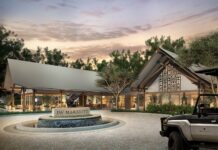
The Burj Al Arab, widely recognized as one of the most famous architectural landmarks in the world, has officially closed its doors to begin a comprehensive, 18-month restoration program. This marks the first time since the property opened in 1999 that the hotel will undergo a full-scale renovation to modernize its interiors while preserving its legendary status.
A Legacy Preserved through Modernization
Managed by the UAE-based Jumeirah Group, the 202-suite property has long been synonymous with ultra-luxury, often colloquially referred to as a “seven-star” hotel. The upcoming project is described not merely as a remodel, but as a “thoughtful restoration” aimed at safeguarding the building’s architectural legacy.
The renovation will be spearheaded by renowned interior architect Tristan Auer. The primary objective is to balance the hotel’s distinctive, high-glamour aesthetic with contemporary standards of luxury.
“This restoration programme marks a new chapter in the story of Jumeirah Burj Al Arab, one that will carefully preserve the heritage of what is currently the sole property in our Jumeirah limited-edition collection,” stated Thomas Meier, CEO of Jumeirah.
Strategic Timing Amidst Regional Shifts
The decision to close the hotel immediately carries significant strategic implications. The timing coincides with a noticeable downturn in Dubai’s tourism sector, influenced by heightened regional tensions and geopolitical conflicts.
For luxury hospitality operators, such periods of reduced demand present a unique opportunity cost advantage. By investing in heavy capital expenditures (CapEx) during a period of lower occupancy, hotels can complete major upgrades without the logistical nightmare and lost revenue associated with renovating an active, high-occupancy property. This “reinvestment during the lull” strategy allows the hotel to re-emerge in late 2026 or 2027 with a refreshed product, ready to capture the next wave of global travel.
The Challenge of “Gaudy” Luxury
While the Burj Al Arab has maintained its prestige for nearly three decades, the necessity for this project is evident. The hotel’s signature style—characterized by massive duplex suites and an opulent, highly decorative interior—has often been described as “outdated” by modern luxury standards.
The renovation faces a delicate balancing act:
– Maintaining the “Essence”: Preserving the bold, maximalist design that travelers expect from this specific landmark.
– Modernizing the Experience: Updating aging infrastructure and decor to meet the evolving tastes of the ultra-high-net-worth demographic.
– Refining the Aesthetic: Moving away from “gaudy” elements toward a more sophisticated, contemporary version of luxury without losing the hotel’s unique identity.
Conclusion
The 18-month closure of the Burj Al Arab represents a pivotal moment for Jumeirah as it seeks to future-proof its most iconic asset. If successful, the renovation will allow this architectural masterpiece to transition from a relic of 1990s opulence into a modernized icon of 21st-century luxury.